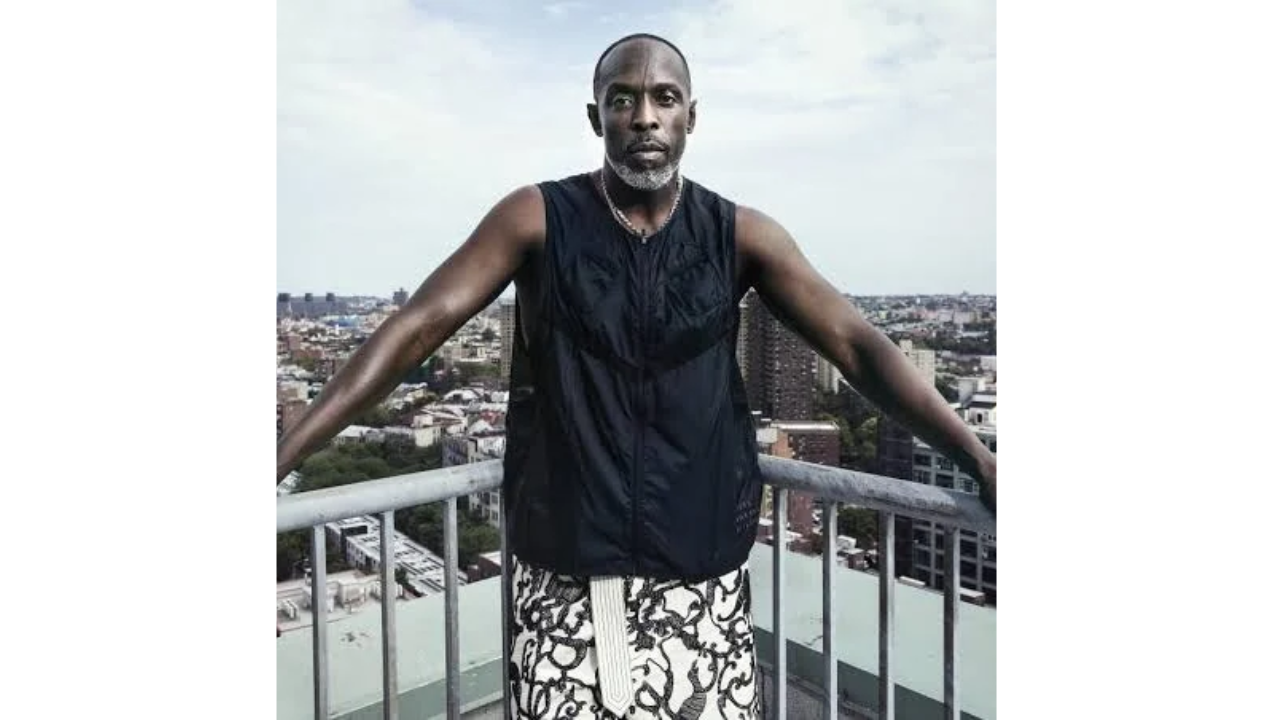
Michael K. Williams died from an accidental drug overdose on September 6, 2021, at the age of 54. The New York City Chief Medical Examiner determined that his death resulted from acute intoxication involving fentanyl, parafluorofentanyl, heroin and cocaine. The acclaimed actor was discovered inside his apartment in Williamsburg, Brooklyn, by his nephew. A subsequent federal investigation led to criminal charges and guilty pleas from four individuals connected to the drugs supplied to him.
Williams was widely recognized for his performances in The Wire, Boardwalk Empire and Lovecraft Country. His unexpected death devastated the entertainment industry and brought renewed attention to the dangers of fentanyl.
Michael K. Williams Cause of Death
The official cause of Michael K. Williams’ death was acute drug intoxication, with medical authorities classifying his passing as accidental.
The New York City Office of Chief Medical Examiner released its findings in September 2021 following a toxicology examination.
The investigation established that multiple substances contributed to his death. Among them was fentanyl, a powerful synthetic opioid associated with a significant number of fatal overdoses across the United States.
The medical examiner’s determination established that Williams’ death was not intentional.
Michael K. Williams Profile
| Particulars | Details |
|---|---|
| Full Name | Michael Kenneth Williams |
| Date of Birth | November 22, 1966 |
| Birthplace | Brooklyn, New York |
| Nationality | American |
| Profession | Actor and Dancer |
| Date of Death | September 6, 2021 |
| Age at Death | 54 years |
| Place of Death | Williamsburg, Brooklyn |
| Cause of Death | Accidental Drug Overdose |
| Famous Role | Omar Little in The Wire |
What Happened?
On September 6, 2021, Williams was found unresponsive inside his Brooklyn apartment.
His nephew discovered him after visiting his residence. Emergency responders subsequently arrived, but the actor was pronounced dead.
News of his passing quickly spread throughout Hollywood, prompting tributes from former colleagues, directors, producers and fans.
At the time, Williams remained professionally active and had received critical recognition for his recent television performances.
Authorities subsequently investigated the circumstances surrounding his death, including the origin of the substances identified during the medical examination.
Toxicology Report
The medical examiner confirmed that Williams had died following exposure to four substances:
- Fentanyl
- Parafluorofentanyl
- Heroin
- Cocaine
Parafluorofentanyl is a synthetic opioid related to fentanyl. Both substances can dangerously suppress breathing, particularly when present alongside other drugs.
The toxicology findings became an important component of the criminal investigation that followed.
Federal authorities later established that Williams had purchased heroin containing fentanyl shortly before his death.
Federal Investigation
Following the actor’s passing, federal investigators examined the Brooklyn drug distribution operation connected to the substances he had obtained.
The investigation involved federal law enforcement agencies and prosecutors from the U.S. Attorney’s Office for the Southern District of New York.
In February 2022, authorities announced charges against four individuals associated with the drug trafficking operation.
Investigators gathered evidence linking the group to the sale of fentanyl-laced heroin to Williams on September 5, 2021, one day before his death.
The criminal proceedings eventually resulted in guilty pleas from all four defendants.
Criminal Sentences
One of the individuals prosecuted was Irvin Cartagena, who admitted to participating in the drug distribution conspiracy.
In August 2023, Cartagena was sentenced to 10 years in federal prison for his involvement in the operation that supplied Williams with fentanyl-laced heroin.
Other members of the trafficking group also faced criminal proceedings and prison sentences.
Federal prosecutors emphasized the broader dangers associated with distributing illicit drugs containing fentanyl, particularly when buyers may be unaware of their contents.
The case became a prominent example of federal efforts to prosecute drug distribution networks connected to fatal overdoses.
Addiction Struggles
Throughout his career, Williams spoke openly about his experiences with substance use and addiction.
Despite achieving international recognition as an actor, he acknowledged that professional success did not eliminate his personal challenges.
His willingness to discuss addiction helped draw attention to the difficulties experienced by people living with substance use disorders.
Williams also supported community initiatives and advocated for criminal justice reform, drawing on his experiences growing up in Brooklyn.
His public discussions encouraged greater understanding of addiction as a health issue rather than simply a matter of personal choices.
Acting Career
Williams began his entertainment career as a dancer before transitioning into acting.
His major breakthrough came in 2002 when he portrayed Omar Little in HBO’s critically acclaimed crime drama The Wire.
The character became one of television’s most memorable figures, earning Williams widespread recognition for his nuanced performance.
He subsequently appeared in several successful productions, including Boardwalk Empire, 12 Years a Slave, The Night Of, When They See Us and Lovecraft Country.
His portrayal of complex characters earned him multiple Primetime Emmy Award nominations and established his reputation as a versatile dramatic actor.
His Lasting Legacy
More than five years after his death, Michael K. Williams remains an influential figure in American television and cinema.
His performances challenged conventional portrayals of marginalized communities, while his advocacy work addressed issues including addiction, incarceration and social inequality.
Although Michael K. Williams’ cause of death was an accidental overdose involving fentanyl and other substances, his legacy extends far beyond the circumstances of his passing.
His contributions to entertainment, distinctive acting style and commitment to community advocacy continue to resonate with audiences worldwide.