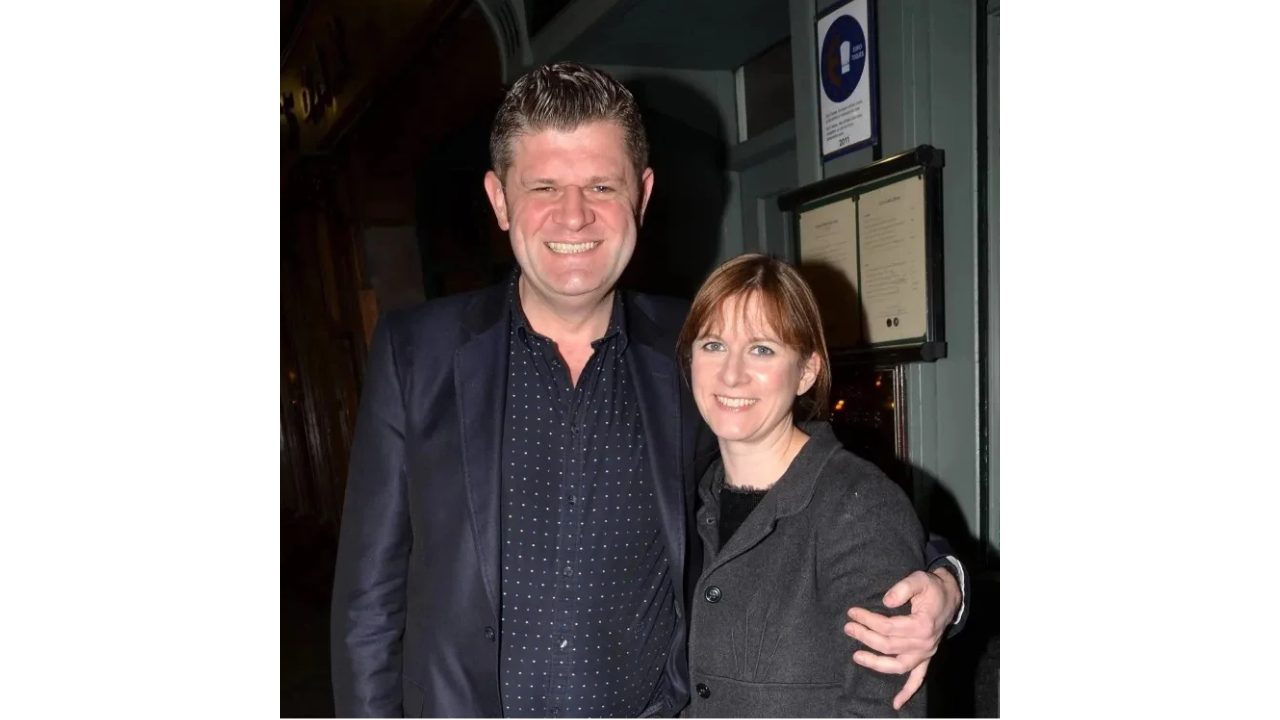
Irish broadcaster Brendan O’Connor has two daughters, Anna and Mary O’Connor, with his wife, journalist Sarah Caden. His eldest daughter, Anna, turned 18 in 2026, while his younger daughter, Mary, is 16 and has Down syndrome. The RTÉ presenter has recently spoken about how raising his daughters changed his outlook on parenting, disability, and the opportunities available to young people in Ireland. His family experiences also inspired his 2026 documentary series, Able, which explores employment challenges faced by people with disabilities.
Who Are His Daughters?
Brendan O’Connor’s daughters are Anna O’Connor and Mary O’Connor. Both have grown up in Ireland with parents who work in journalism and media.
Anna, born in early 2008, is the older sister. Mary was born in August 2010 and has Down syndrome.
Although Brendan is a familiar voice on Irish radio and television, he has generally kept his children’s everyday lives away from constant public attention.
However, he has spoken openly about their upbringing when discussing parenting, education, disability inclusion, and his hopes for their futures.
His daughters have become particularly important to his public conversations about the barriers that people with intellectual disabilities encounter.
Anna O’Connor
Anna O’Connor is Brendan O’Connor’s eldest daughter, born in early 2008. She turned 18 in 2026 and sat her Leaving Certificate examinations that year.
As she approaches adulthood, Anna has developed a strong interest in supporting children with intellectual disabilities.
According to Brendan, growing up alongside Mary has influenced her ambitions and the type of career she hopes to pursue.
Her experiences as an older sister have given her a personal understanding of the importance of inclusion, patience, and equal opportunities.
Brendan has expressed pride in Anna’s compassionate outlook and her desire to make a meaningful contribution through her future work.
While she occasionally becomes part of her father’s public discussions, Anna has largely maintained her privacy.
Mary O’Connor
Mary O’Connor is Brendan O’Connor’s youngest daughter, born in August 2010. She turned 16 in 2026 and has Down syndrome, a genetic condition associated with an additional copy of chromosome 21.
Brendan has frequently discussed how becoming Mary’s father reshaped his understanding of disability and the challenges families can encounter.
His concerns extend beyond childhood education to the opportunities Mary and other young people with intellectual disabilities will have as adults.
He has spoken about wanting Mary to live in a society where people with disabilities are accepted as ordinary participants in education, employment, and community life.
Rather than focusing solely on the difficulties associated with disability, Brendan has emphasized the importance of recognizing individual abilities and ambitions.
Wife Sarah Caden
Brendan O’Connor is married to Sarah Caden, an Irish journalist and writer. Together, they have raised Anna and Mary while maintaining careers in the media industry.
Sarah has worked in journalism and contributed to discussions involving family life, parenting, and social issues.
The couple’s experiences raising two daughters have influenced Brendan’s views on the responsibilities of parents and the importance of accessible services.
Although both parents have public-facing professional backgrounds, they have generally avoided turning their daughters’ private lives into regular entertainment content.
Their family experiences have nevertheless informed some of Brendan’s most significant work concerning disability awareness.
Parenting Changed Him
Brendan has explained that becoming a father, particularly to a child with Down syndrome, challenged some of his earlier assumptions about parenting.
Before Mary’s birth, he had not fully understood the practical and emotional considerations involved in raising a child with an intellectual disability.
Over time, his experiences encouraged him to think more deeply about education, independence, employment, and the support available to families.
His concerns increasingly focused on what would happen when Mary became an adult.
He began asking whether Irish society was creating enough opportunities for people with disabilities to participate in everyday working life.
These questions eventually became central to his documentary work.
Documentary Able
In November 2026, Brendan O’Connor brought renewed attention to disability employment through his RTÉ documentary series Able.
The programme follows six job seekers with disabilities as they attempt to find meaningful employment in Ireland.
It examines the challenges they encounter, including employers’ expectations, workplace accessibility, and the limited opportunities available to some applicants.
Brendan’s experiences as Mary’s father helped inspire the project.
As his youngest daughter approaches adulthood, he has become increasingly concerned about the employment prospects awaiting young people with intellectual disabilities.
The documentary aims to encourage audiences and employers to reconsider assumptions about what people with disabilities can achieve.
Late Late Show Appearance
Brendan discussed Mary and his documentary Able during a November 2026 appearance on The Late Late Show, hosted by Patrick Kielty.
The conversation highlighted his hopes for his daughter’s future and the broader changes he believes Irish society needs.
He explained that he wants people with disabilities to be visible in ordinary workplaces rather than treated as unusual exceptions.
His comments reflected a desire for a society where employment opportunities are based on individual strengths and appropriate support.
The appearance also brought attention to the personal reasons behind his involvement in the documentary.
For Brendan, the subject is not simply a broadcasting assignment. It is directly connected to the future he hopes Mary will experience.
Disability Advocacy
Brendan has used his broadcasting platform to discuss disability inclusion and the importance of equal opportunities.
His advocacy particularly focuses on the transition from education into adult life.
Employment is one of his central concerns, because having access to meaningful work can provide financial independence, social connections, and a greater sense of belonging.
He believes that workplaces should become more accustomed to employing people with intellectual disabilities.
His documentary also encourages employers to consider how reasonable adjustments and supportive environments can help individuals contribute effectively.
The wider message is that disability should not automatically prevent someone from pursuing professional ambitions.
Family Life in 2026
In 2026, Brendan’s daughters are entering important stages of their lives.
Anna has completed her Leaving Certificate examinations and is considering a future involving work with children who have intellectual disabilities.
Mary is progressing through her teenage years, while her parents are increasingly thinking about her opportunities after school.
Brendan’s family remains a major influence on his broadcasting work, particularly his interest in disability rights and employment.
His recent interviews demonstrate how his responsibilities as a father have shaped the subjects he chooses to explore professionally.
Final Thoughts
Brendan O’Connor’s daughters, Anna and Mary, have had a significant influence on his personal life and professional outlook. Anna’s interest in helping children with intellectual disabilities reflects her experiences growing up alongside Mary, while Mary’s future has inspired Brendan to advocate for more inclusive employment opportunities.
Through his 2026 documentary Able and recent television appearances, the Irish broadcaster has brought attention to challenges facing people with disabilities. His central hope is that Mary and others like her will grow up in a society where their abilities are recognized and opportunities are genuinely accessible.