
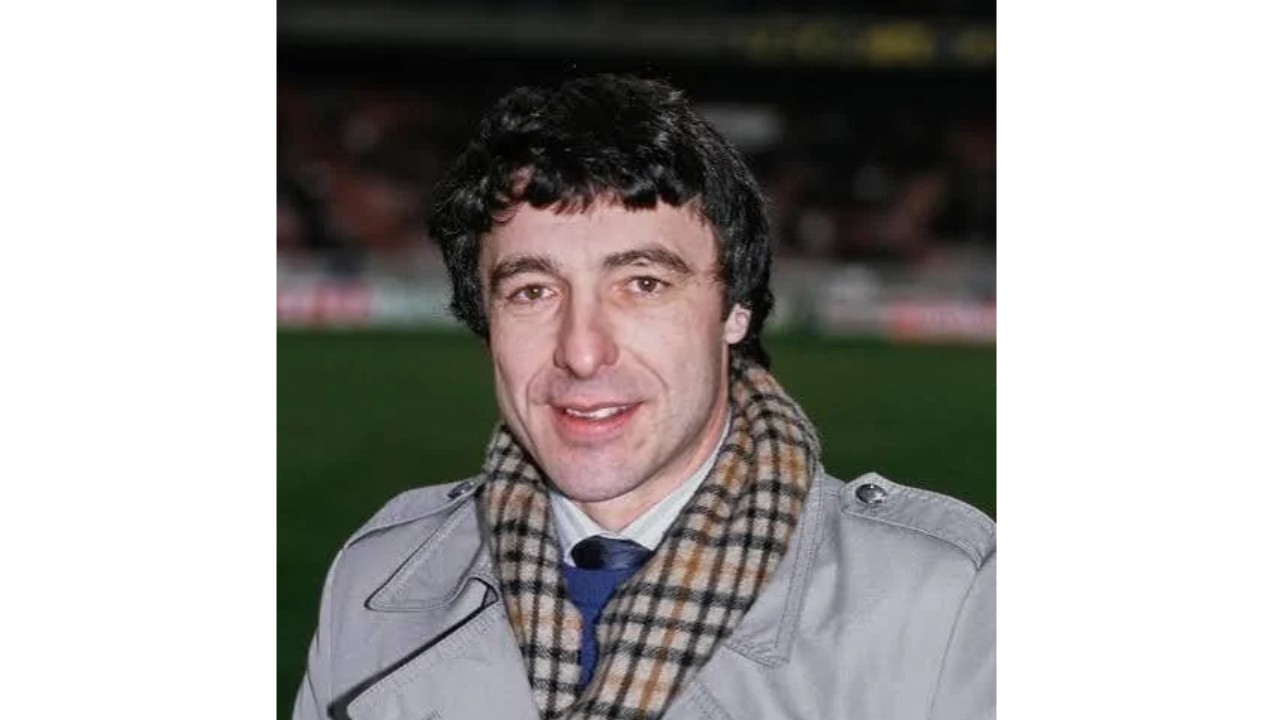
Nigel Starmer-Smith died on November 26, 2026, aged 81, following an 11-year battle with frontotemporal dementia. The former England rugby international and BBC commentator was diagnosed in 2015 after experiencing difficulties with speech and communication. He spent his final nine years receiving specialist dementia care near Oxford. His son, Charlie Starmer-Smith, announced that his father had passed away peacefully.
Remembered as one of rugby’s most distinctive broadcasting voices, Starmer-Smith’s illness also inspired his family to campaign for greater dementia awareness and medical research.
Health Diagnosis
Nigel Starmer-Smith’s health began deteriorating noticeably in early 2015, when his son Charlie observed changes in his speech.
The former commentator started experiencing difficulty expressing himself, despite having spent decades communicating professionally with television audiences.
Medical assessments subsequently led to a diagnosis of frontotemporal dementia (FTD), a progressive neurological condition affecting the brain’s frontal and temporal regions.
For someone whose career depended on language, observation and communication, the diagnosis represented a particularly significant change.
By autumn 2015, his ability to construct coherent sentences had reportedly declined considerably, affecting his capacity to participate in everyday conversations.
What Is Frontotemporal Dementia?
Frontotemporal dementia is a group of neurological disorders associated with the progressive deterioration of nerve cells in specific regions of the brain.
Unlike Alzheimer’s disease, which frequently begins with memory difficulties, frontotemporal dementia can initially affect language, behaviour, personality and decision-making.
Common symptoms include difficulty finding words, changes in social behaviour, reduced communication abilities and problems with movement.
Pick’s disease is a specific pathological form associated with frontotemporal dementia, although the terms are sometimes used interchangeably.
There is currently no cure for frontotemporal dementia. Treatment generally concentrates on managing symptoms, maintaining quality of life and providing appropriate support as the condition progresses.
Early Symptoms
Speech difficulties were among the earliest noticeable signs of Starmer-Smith’s declining health.
Charlie recalled observing changes in his father’s communication during the months leading up to his diagnosis.
Nigel had previously been known for his ability to describe fast-moving rugby matches with clarity and precision. However, forming sentences gradually became increasingly difficult.
The progression of his symptoms affected his independence and eventually required more extensive assistance.
His family’s experience highlighted how dementia can affect communication long before severe physical limitations become apparent.
Specialist Care
As his condition advanced, Starmer-Smith moved into Vale House, a specialist dementia care home near Oxford.
He reportedly spent approximately nine years at the facility, receiving professional assistance tailored to his changing needs.
Specialist dementia care became increasingly important as his ability to communicate and perform everyday activities declined.
During the later stages of his illness, Starmer-Smith reportedly lost the ability to walk independently and communicate verbally.
His physical limitations eventually left him dependent on caregivers for essential daily activities.
The extended period of specialist care reflected the progressive nature of his neurological condition.
Charlie’s Support
Nigel’s surviving son, Charlie Starmer-Smith, became closely involved in raising awareness of dementia following his father’s diagnosis.
Watching his father gradually lose the communication skills that had defined his broadcasting career motivated Charlie to support charitable initiatives.
He worked with the Alzheimer’s Society and shared personal experiences to highlight the challenges faced by individuals living with dementia and their families.
His advocacy also encouraged wider discussions about neurological conditions within the sporting community.
Charlie used his professional and creative interests to contribute towards fundraising efforts rather than limiting his involvement to personal caregiving.
Fundraising Through Music
In 2021, Charlie released a fundraising single titled Spotlight, inspired by his father’s experience with dementia.
The musical project supported the Alzheimer’s Society and its Sport United Against Dementia campaign.
Charlie also recorded music at Abbey Road Studios, combining his interest in songwriting with his commitment to supporting dementia research.
His involvement helped draw attention to the importance of scientific research, specialist care and practical assistance for affected families.
The initiative also provided a personal tribute to Nigel, whose voice had accompanied generations of rugby supporters.
Cause of Death
According to the announcement shared by his son and reported by the BBC, Nigel Starmer-Smith passed away peacefully on November 26, 2026, at the age of 81.
His death followed more than a decade of living with frontotemporal dementia.
Although the neurological condition had severely affected his health, specific details concerning the immediate medical cause of his death were not publicly disclosed in the reported announcement.
Tributes following his passing recognised both his sporting achievements and his extensive contribution to rugby broadcasting.
Rugby Career
Before becoming a familiar television commentator, Starmer-Smith enjoyed a distinguished rugby playing career.
He represented Harlequins and played internationally for England as a scrum-half, earning seven international caps.
After moving into broadcasting, he became closely associated with the BBC’s Rugby Special and covered numerous major rugby competitions.
His understanding of the sport, combined with his distinctive commentary style, earned him widespread respect among players, broadcasters and supporters.
Lasting Legacy
Nigel Starmer-Smith’s legacy extends beyond his achievements on the rugby field and behind the microphone.
His experience with frontotemporal dementia brought attention to a neurological condition that can profoundly affect language, movement and independence.
Through Charlie’s fundraising and awareness campaigns, the Starmer-Smith family has helped support efforts to improve dementia research and care.
Nigel Starmer-Smith will be remembered for his contribution to English rugby, his distinguished broadcasting career and the dementia awareness initiatives inspired by his life.