
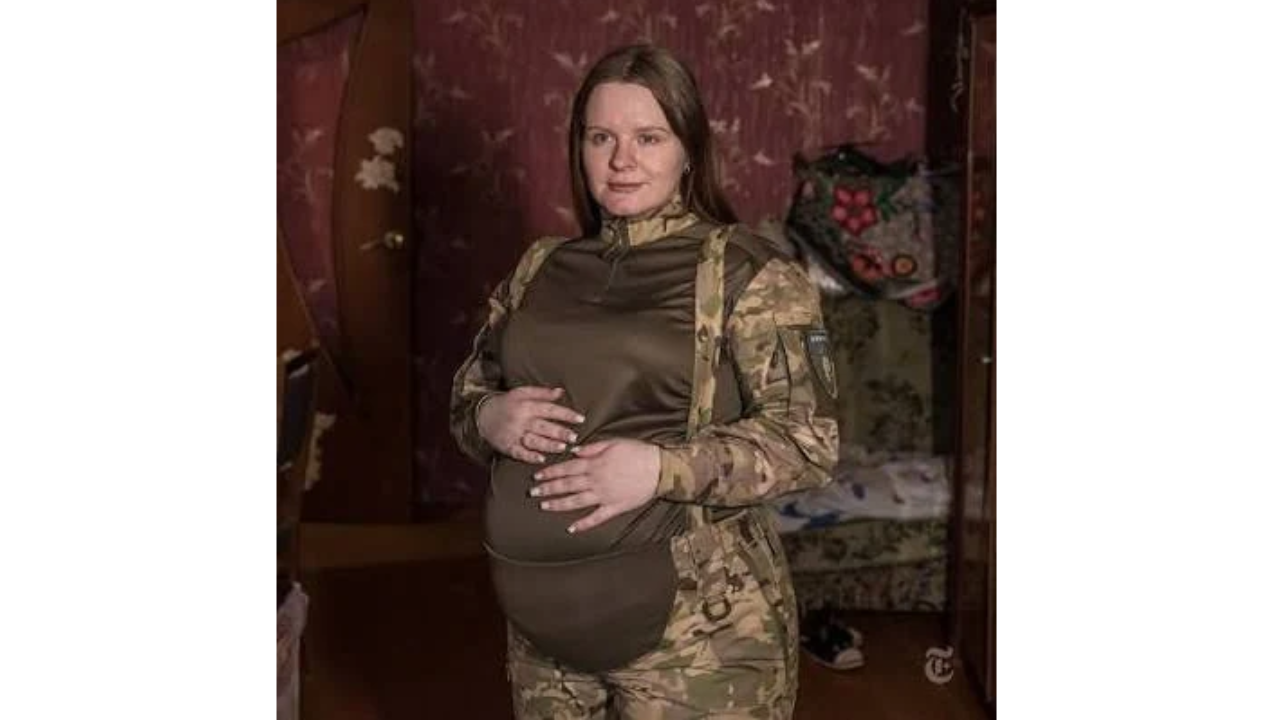
Pregnant Ukrainian soldiers have become the subject of widespread online discussion following viral videos claiming that expectant mothers are being forced into combat. However, reporting indicates that Ukrainian servicewomen who become pregnant can continue military duties voluntarily before beginning maternity leave at 30 weeks. With approximately 70,000 women serving in Ukraine’s armed forces, pregnancy-related healthcare, military uniforms, financial assistance and maternity rights have become increasingly important issues during the ongoing war with Russia.
Ukraine Pregnant Soldiers
According to an August 2025 report by The New York Times, approximately 70,000 Ukrainian women were serving in the armed forces.
Some servicewomen have become pregnant while pursuing their military careers, creating challenges for both military administrators and expectant mothers.
Women serve in various positions, including medical services, communications, logistics, administration and combat-related roles.
Pregnancy does not automatically require a servicewoman to leave the military. Depending on her health, responsibilities and circumstances, she may continue performing appropriate duties before taking maternity leave.
Are Pregnant Women Forced to Fight?
Claims that Ukraine forcibly recruits pregnant women and sends them into active combat have circulated widely across social media.
However, the available reporting does not support these allegations.
Military service for Ukrainian women is generally voluntary, although certain professional groups are subject to military registration requirements.
There is an important distinction between continuing military employment during pregnancy and being ordered to participate in frontline combat.
The presence of pregnant women wearing military uniforms does not establish that they have been forcibly deployed into dangerous combat situations.
Viral Video Explained
A widely circulated video featuring Ukrainian military officer Olha Bihar has contributed to online speculation about pregnant soldiers.
The footage shows the officer presenting a military uniform specifically designed to accommodate pregnancy.
Several social media accounts shared the clip alongside allegations that Ukraine was sending expectant mothers into battle.
However, the video’s actual purpose was to demonstrate maternity clothing that provides greater comfort and mobility for pregnant servicewomen who remain on duty.
The footage itself does not establish forced recruitment or compulsory combat deployment.
Maternity Leave Rules
Under Ukrainian maternity provisions described in the 2025 reporting, pregnant servicewomen are entitled to begin paid maternity leave at 30 weeks of pregnancy, approximately seven months.
Women may also qualify for extended childcare leave until their child reaches three years of age.
These provisions allow military personnel to temporarily step away from professional responsibilities during childbirth and early motherhood.
Medical circumstances may require adjustments to duties or earlier leave, depending on individual health requirements and applicable regulations.
Challenges During Pregnancy
Continuing military service during pregnancy can present significant physical and emotional difficulties, particularly in a country experiencing prolonged warfare.
Pregnant servicewomen may encounter limited access to medical facilities, disrupted transportation and difficult living conditions.
Military accommodation in some areas may lack reliable heating, running water and adequate sanitation.
The threat of shelling and infrastructure damage can further complicate access to prenatal appointments.
These circumstances highlight the importance of appropriate medical assessments, safer assignments and reliable maternity support within the armed forces.
Special Maternity Uniforms
Traditional military uniforms are generally not designed to accommodate the physical changes associated with pregnancy.
Ukrainian nonprofit organization Zemliachky has worked to address this problem by developing specialized maternity clothing for servicewomen.
These uniforms feature expandable sections that accommodate a growing abdomen while providing greater flexibility during everyday duties.
The initiative reflects broader efforts to improve military equipment for women, whose clothing and equipment requirements have historically received less attention.
Providing maternity uniforms allows eligible servicewomen to remain comfortable while performing suitable assignments.
Financial Difficulties
Pregnancy and maternity leave can significantly affect the income of Ukrainian military personnel.
According to The New York Times, some servicewomen experience substantial financial difficulties after stepping away from active military duties.
The report described circumstances in which monthly state assistance amounted to approximately $170, considerably less than potential earnings associated with combat assignments.
The amount should not be interpreted as a universal maternity payment, as individual benefits and military compensation can vary.
Reduced income, childcare expenses and limited family support may influence decisions about returning to military employment.
Volunteer Support
Nonprofit organizations and volunteer networks have become important sources of assistance for Ukrainian servicewomen.
Zemliachky has provided specialized clothing, hygiene products and other essential supplies designed around women’s needs.
Support initiatives also address psychological well-being and practical challenges associated with military employment.
For expectant mothers, access to suitable clothing, medical assistance and emotional support can make a meaningful difference during pregnancy.
These efforts help address gaps that conventional military supply systems may not fully accommodate.
Returning After Childbirth
Ukrainian servicewomen face important decisions about their professional futures after becoming mothers.
Some choose extended childcare leave, while others return to military employment after recovering from childbirth.
Financial responsibilities, childcare availability, personal health and family circumstances can influence these decisions.
Returning to service does not necessarily mean returning to frontline combat, as military personnel may undertake different assignments depending on their qualifications and circumstances.
The Reality Behind the Claims
The situation involving Ukraine’s pregnant soldiers reflects the complicated relationship between military service, motherhood and wartime conditions.
Although some expectant mothers continue serving during pregnancy, this should not be confused with compulsory deployment into active combat.
The central issue is ensuring pregnant servicewomen receive appropriate healthcare, suitable working conditions, financial protection and maternity benefits. Viral footage of maternity uniforms should therefore be understood within its original context rather than treated as evidence of forced military recruitment.