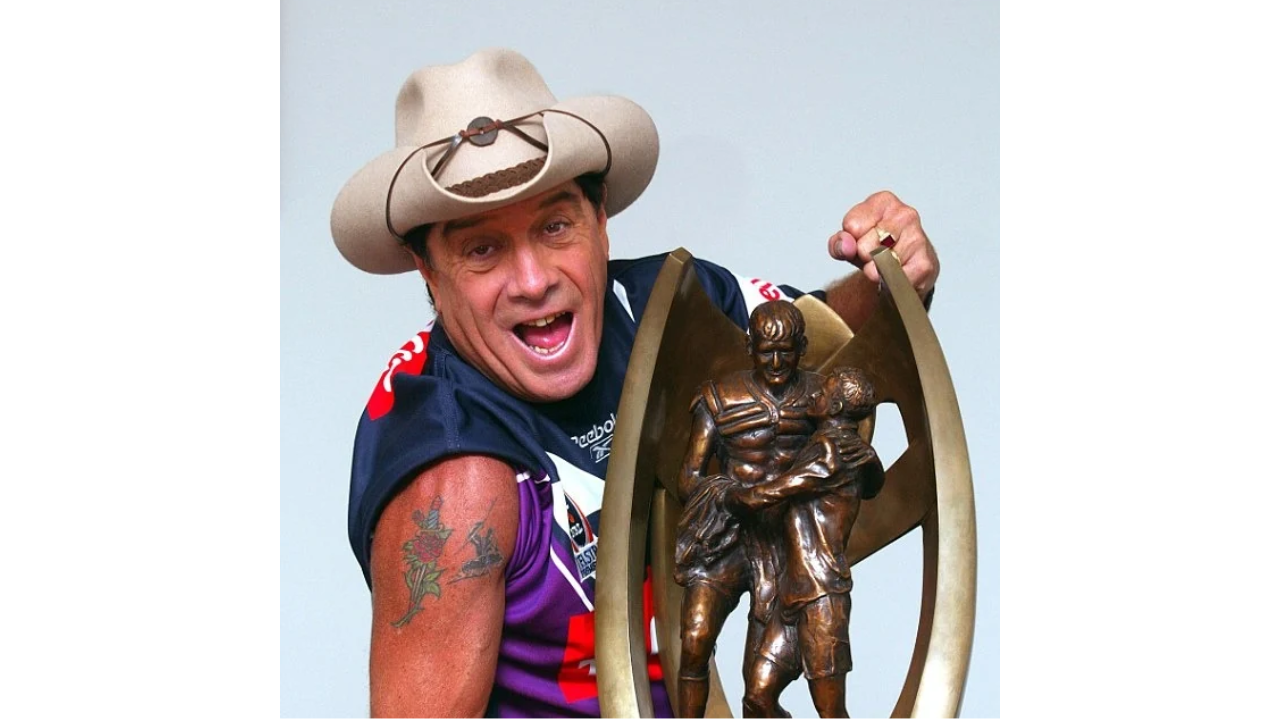
Molly Meldrum, the legendary Australian music presenter and Countdown star, identified as bisexual rather than exclusively gay. Although widely celebrated as a gay icon and an influential figure in Australia’s LGBTQ+ community, Meldrum spoke openly about his attraction to both men and women. He shared a long-term relationship with Thai businessman Yan Wongngam, whom he met in Bangkok. The beloved television personality died in November 2026 at the age of 83, leaving behind a remarkable legacy in Australian music and queer visibility.
Was Molly Meldrum Gay?
Molly Meldrum described himself as bisexual, although many Australians recognized him as a gay icon.
His sexuality attracted public interest throughout his entertainment career, particularly because he became a prominent television personality during a period when LGBTQ+ representation was limited.
Meldrum never appeared particularly interested in fitting his personal identity into categories chosen by other people.
In interviews, he acknowledged having romantic relationships with women while also openly discussing his attraction to men.
His preference for identifying as bisexual remained an important distinction in understanding his personal life.
His Bisexual Identity
Meldrum’s bisexuality was part of his public identity, although he generally avoided making his sexuality the central focus of his career.
He previously revealed that he had dated women and had been engaged twice.
These relationships were significant parts of his romantic history before his long-term partnership with Yan Wongngam.
Meldrum’s experiences challenged the assumption that a person must identify exclusively as gay or straight.
He maintained that his relationships were personal matters rather than subjects requiring constant public explanation.
His openness was particularly notable given the conservative attitudes surrounding sexuality during the earlier decades of Australian television.
Did He Come Out?
Unlike many celebrities who make formal announcements about their sexuality, Meldrum took a different approach.
He explained that he never felt the need to officially come out because he had not deliberately hidden his identity.
His attitude reflected a desire to live openly without turning his personal relationships into public declarations.
Meldrum famously expressed his inclusive outlook by saying, “I love everyone.”
For him, sexuality was one aspect of his life rather than a defining professional label.
His approach helped normalize conversations about LGBTQ+ identities at a time when such discussions were uncommon in mainstream Australian entertainment.
Who Was His Partner?
Molly Meldrum’s longtime partner was Yan Wongngam, a Thai businessman associated with the courier industry.
The two reportedly met in Bangkok during the 2000s and developed a lasting romantic relationship.
Unlike Meldrum, who spent decades appearing on television and interviewing international music stars, Wongngam preferred to remain outside the entertainment spotlight.
Their relationship was largely private, with relatively few public details about their everyday lives.
Despite this privacy, Wongngam became an important figure in Meldrum’s later years.
Their partnership continued through periods of professional success and personal health difficulties.
Did Molly Meldrum Marry?
Molly Meldrum never married and did not have a wife or husband.
Although he supported marriage equality, he and Wongngam did not consider a formal wedding necessary for their relationship.
Their decision reflected their personal preferences rather than opposition to same-sex marriage.
Meldrum believed that commitment could exist without legal marriage.
The couple maintained connections between Australia and Thailand, where Wongngam had established his professional and personal life.
Their relationship remained an enduring part of Meldrum’s private world until his death.
An Australian Gay Icon
Despite identifying as bisexual, Meldrum became one of Australia’s most recognizable gay icons.
His influence extended beyond his personal relationships.
During the 1970s and 1980s, openly LGBTQ+ personalities were relatively uncommon on mainstream Australian television.
Meldrum’s distinctive appearance, expressive personality, and willingness to challenge social expectations helped make him an important cultural figure.
His visibility demonstrated that television personalities did not need to conform to traditional expectations surrounding masculinity or sexuality.
For many LGBTQ+ Australians, his public presence offered a sense of recognition during a period of limited representation.
His LGBTQ+ Support
Meldrum maintained strong connections with Melbourne’s LGBTQ+ community throughout his career.
He worked as a DJ at gay nightclubs and supported fundraising activities associated with HIV/AIDS charities.
These activities reflected his involvement in community life beyond television appearances.
During the HIV/AIDS crisis, public support from recognizable entertainment figures carried particular significance.
Meldrum’s participation helped connect the music industry with charitable efforts and community awareness.
His involvement was not limited to symbolic appearances, as he maintained personal relationships within Melbourne’s queer social and entertainment circles.
This longstanding connection contributed to his reputation as an important figure in Australian LGBTQ+ history.
Fame Through Countdown
Meldrum became a household name through the Australian television music program Countdown, which aired from 1974 to 1987.
His work on Countdown helped introduce Australian audiences to emerging local performers and major international artists.
Known for his trademark hat, enthusiastic interviews, and unpredictable presenting style, Meldrum became one of the country’s most influential music personalities.
His popularity extended across generations of viewers.
He also supported Australian musicians at crucial stages of their careers, helping bring national attention to performers who later achieved international recognition.
His cultural influence made his openness about his personal identity particularly significant.
His Final Years
Meldrum faced serious health challenges after suffering a major fall at his Melbourne home in December 2011.
The accident required extensive medical treatment and rehabilitation.
Although he later made public appearances, his health remained a concern.
Yan Wongngam provided important companionship and care during Meldrum’s later years.
Following Meldrum’s death in November 2026, his family acknowledged Wongngam’s dedication and support.
Their relationship remained an important part of his personal story, even though the couple had generally avoided discussing intimate details publicly.
His Lasting Legacy
Meldrum’s contribution to Australian culture cannot be separated from his influence on music television.
However, his personal openness also helped broaden public understanding of sexuality and identity.
He was a bisexual man who became a celebrated gay icon without abandoning his own description of his sexuality.
That distinction remains important when discussing his life.
His relationships, community involvement, and television career contributed to a public legacy extending well beyond music journalism.
For LGBTQ+ audiences, his visibility represented an early example of individuality within mainstream entertainment.
Final Thoughts
Molly Meldrum was bisexual, not exclusively gay, and shared a long-term relationship with Yan Wongngam. Although he had relationships with women earlier in life and was reportedly engaged twice, he never married.
His influence as an LGBTQ+ cultural figure came from his openness, public visibility, and involvement in Melbourne’s queer community.
Following his death in November 2026 at age 83, Meldrum is remembered not only as the unforgettable face of Countdown but also as an Australian entertainment pioneer whose individuality helped make queer identities more visible on mainstream television.